How to report a UPI fraud, step by step
Report fast, the first hour matters most

First, breathe. Then move fast. The one thing that most decides whether you get your money back is speed. Stolen money moves quickly, so the first hour after a scam gives your report the best chance of freezing the cash before it leaves the bank. Here is exactly what to do, in order.
Did you know? By the middle of 2025, Indians were making more than 20 billion UPI payments every month, worth close to 25 lakh crore rupees (NPCI data, as reported in the press; check npci.org.in for the current figure). That is over 65 crore payments a day. When that much money is moving, a small slice still goes to fraud, and it can land on anyone.
UPI fraud is not rare, and the costliest mistake is staying quiet. In a 2025 consumer survey by LocalCircles, about one in five UPI users said they had faced a fraud attempt, and roughly half of those who lost money did not report it. That is a survey, so treat it as a signal rather than an exact count, but the lesson holds: a scam mostly wins when you do not report it.
Why the first hour matters
The moment you call, the helpline asks your bank to put a hold on the money before the scammer can pull it out. Police and the cyber helpline often call this first stretch the golden hour, and the national numbers show why it matters.
Did you know? The government’s cyber fraud reporting system, which runs through the 1930 helpline and cybercrime.gov.in, had saved more than 7,000 crore rupees across more than 23 lakh complaints, as told to Parliament in December 2025 (Ministry of Home Affairs). The total keeps rising, so check the latest, but the pattern is clear: the people who get their money back are mostly the ones who called fast.
So do not wait to see if the payment reverses on its own. Report first, sort out the paperwork after. The steps below walk you through it, in the order that gives your money the best chance.
Did you know? Under Reserve Bank of India rules, if a fraud was not your fault and you tell your bank within three working days, your own liability can be zero. Report later and you may have to bear part of the loss. These limits can change, so confirm the current rule on rbi.org.in.
-
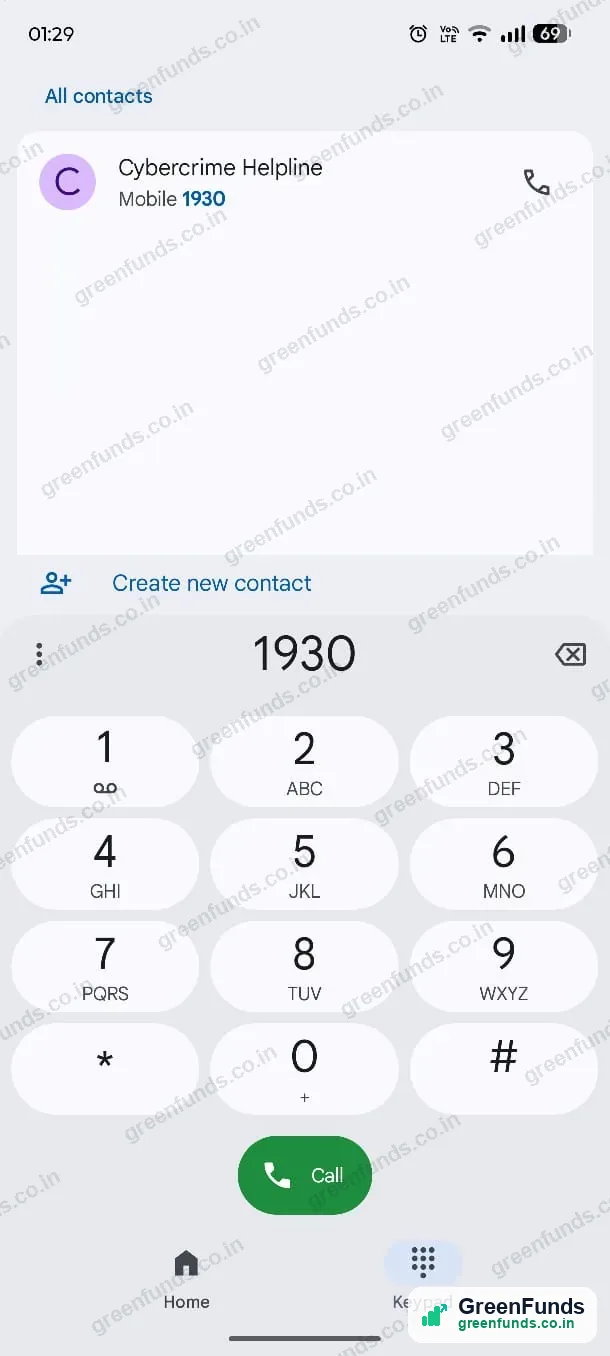
Call 1930 right away
Dial 1930, the national cyber fraud helpline set up under the Ministry of Home Affairs, the moment you notice the fraud. The faster you call, the better the chance your bank can freeze the money before the scammer withdraws it.
-
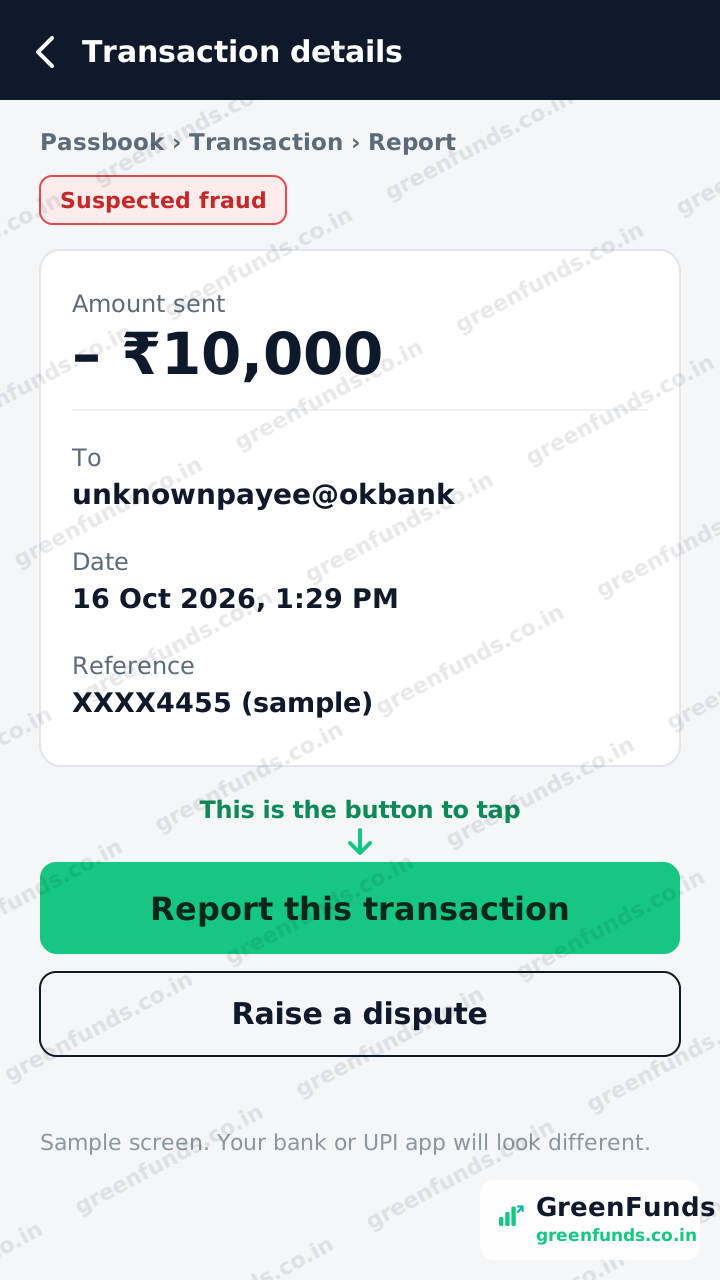
Tell your bank or app and freeze the money
Open your bank or UPI app and find the fraud transaction. The path is usually Passbook or Recent Transactions, then the transaction, then Report or Raise a dispute. Block the card or account too. This stops further transfers while your complaint is handled. The exact names differ by app.
-
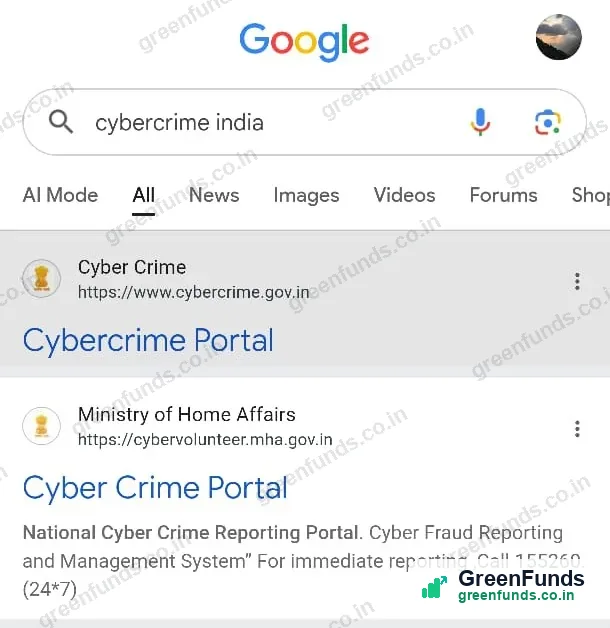
Open the official portal, cybercrime.gov.in
File your written complaint on the National Cyber Crime Reporting Portal. Search for it and open only the official address, which ends in gov.in. Avoid lookalike sites that copy the name.
-
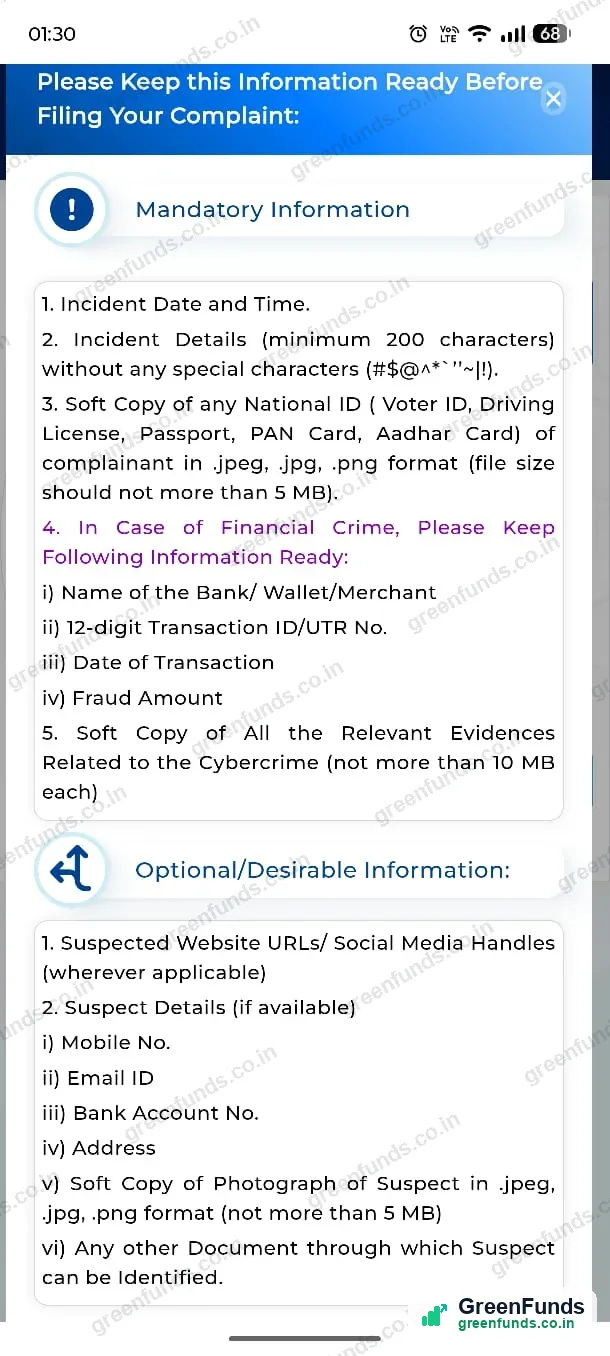
Keep these details ready
Before you file, the portal asks you to have a few things ready: the incident date and time, the bank or wallet name, the 12 digit transaction ID, the amount, and any evidence like screenshots. Having these handy makes the form quick.
-
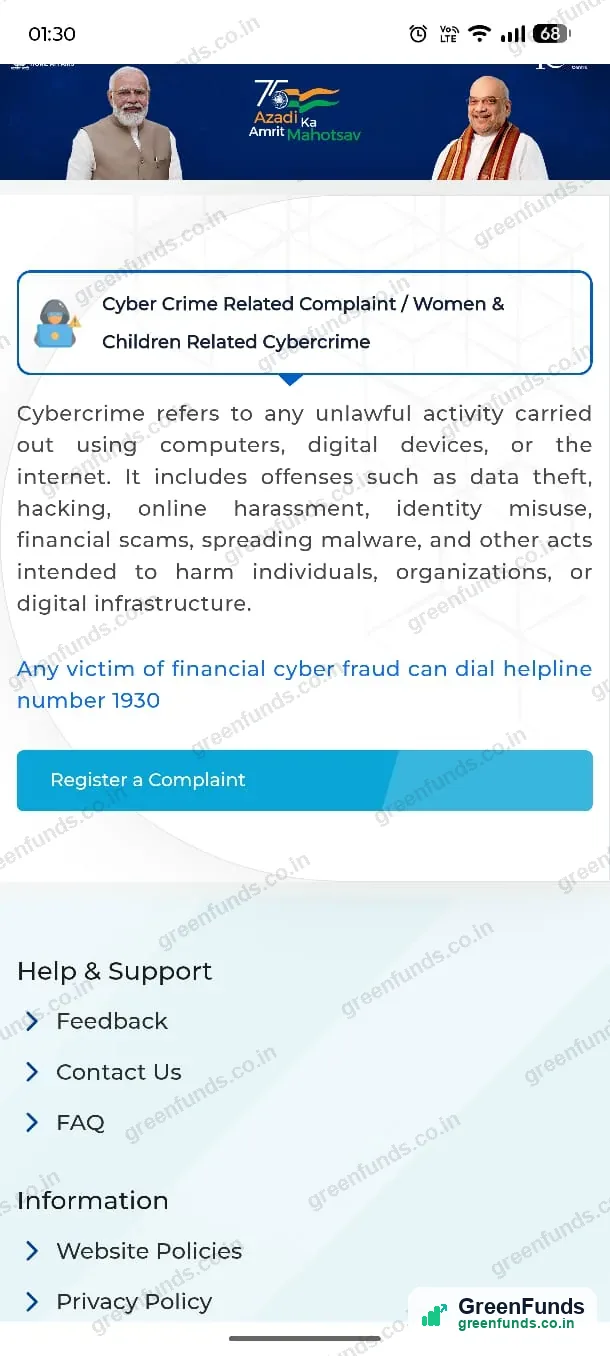
Register your complaint
On the portal, tap Register a Complaint, accept the terms, and fill in the details of the fraud. Submit it and save the acknowledgement number the portal gives you.
-
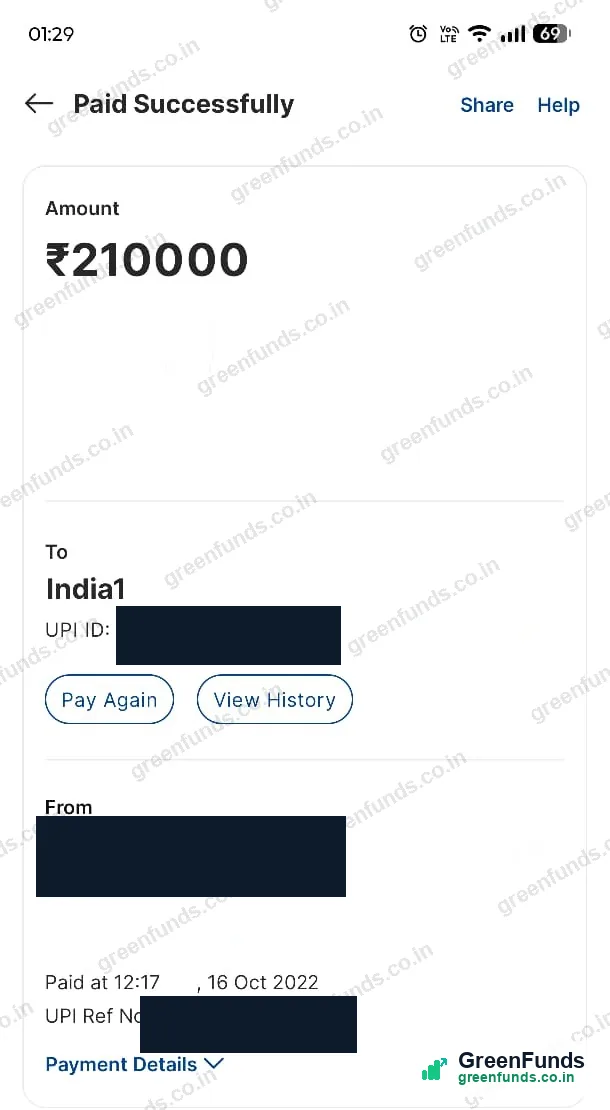
Save your evidence
Keep a record of the transaction: the amount, the date, and the reference number, plus screenshots of any messages from the scammer. Here is a payment record with the personal details masked. Never share an OTP or PIN with anyone, even someone claiming to be the bank.
-
Know your money-back right
Under RBI rules, if the fraud was not your fault and you tell your bank within three working days, your liability can be zero. Report later and you may bear part of the loss. Keep your complaint acknowledgement safe. These rules can change, so confirm the current limits on rbi.org.in.
Questions people ask
What is the cyber fraud helpline number in India?
1930 is the national cyber fraud helpline, set up under the Ministry of Home Affairs. Call it as soon as you spot a UPI or online payment fraud, then file the written complaint on cybercrime.gov.in.
Can I get my money back after a UPI fraud?
It is possible if you act fast. Reporting in the first hour gives your bank the best chance to freeze the money. Under RBI rules, if the fraud was not your fault and you inform your bank within three working days, your liability can be zero. Confirm the current rule on rbi.org.in.
What details do I need to file a cybercrime complaint?
Keep the incident date and time, the bank or wallet name, the transaction ID, the amount, and screenshots of any messages. The portal lists these as the information to have ready before you file.
Will the bank ask for my OTP to reverse a fraud?
No. No bank or official ever asks for your OTP or UPI PIN, not even to reverse a fraud. Anyone asking for it is a scammer. Report on 1930 and cybercrime.gov.in instead.
Source: National Cyber Crime Reporting Portal (cybercrime.gov.in) and the 1930 helpline (Ministry of Home Affairs), RBI customer-liability rules, and NPCI UPI data. Figures are cited to these primary sources and change over time; confirm the latest.
Found this useful? You can buy us a coffee. It keeps GreenFunds free.Flag a possible issue
Was this helpful?
Thanks for the signal.
Comments
Share your experience or a question. Be kind, stay on topic. This is reader discussion, not financial advice.
No comments yet. Be the first to share.